
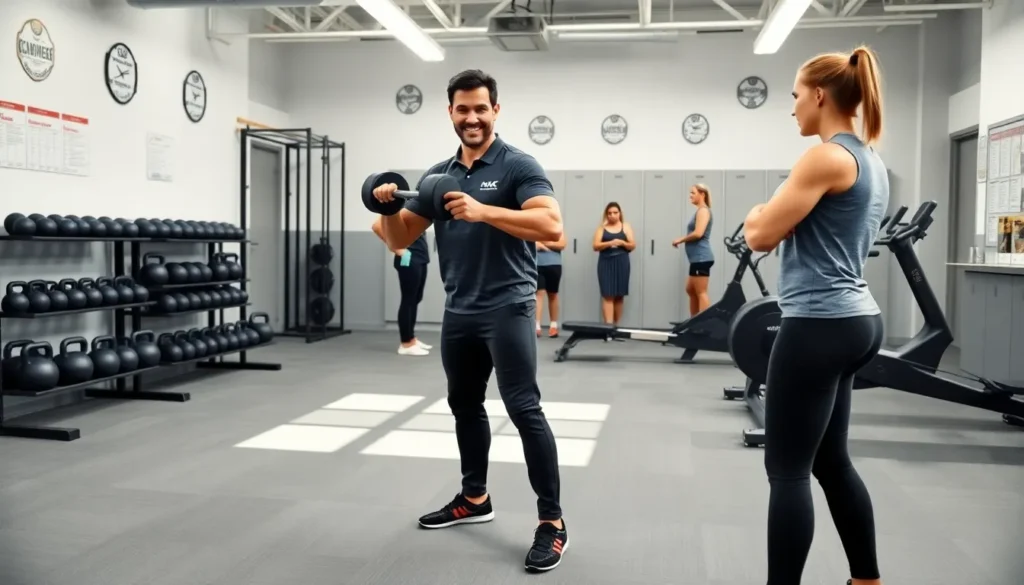

Treninkarna is a Czech word that refers to a training gym or workout space. This guide explains what treninkarna means and how people use it. It describes benefits, how to choose one, a beginner workout, and practical tips. The language stays plain and direct. The reader will get clear, usable steps and examples.
Table of Contents
ToggleKey Takeaways
- A treninkarna is a local training gym focused on weight training, cardio, classes, and small-group coaching, making it ideal for beginners and athletes alike.
- Choose a treninkarna near home or work, inspect equipment (barbells, racks, dumbbells, kettlebells), compare fees, and test classes with a trial week before committing.
- Follow the sample beginner full-body circuit (goblet squats, push-ups, rows, deadlifts, planks) and increase load by 2.5–5 lbs when the final set feels easy to progress safely.
- Use proper warm-ups, collars, and equipment checks to prevent injury, clean gear after use, and report broken items to staff immediately.
- Respect shared-space etiquette: return weights, limit cardio time at peak hours, work in with others, use headphones, and book limited classes in advance.
What Treninkarna Means And Who Uses It
Origin And Definition
Treninkarna comes from Czech. It means a place for training. People use it for weight training, cardio, classes, and small group sessions. The word often points to a local gym rather than a large commercial chain. Trainers and members use the name in casual speech.
Typical Users And Settings
Beginners use a treninkarna to learn basic lifts. Athletes use a treninkarna to practice sport-specific drills. Parents use a treninkarna that offers childcare or flexible hours. Older adults use a treninkarna for low-impact classes. Many small businesses run a treninkarna in a single room or a converted warehouse. These spaces often host classes, open gym time, and personal training.
Benefits Of Training In A Treninkarna
Physical Benefits
People gain strength in a treninkarna. They build muscle through progressive resistance. They improve endurance with consistent cardio sessions. They increase flexibility with mobility work. The equipment in a treninkarna supports compound lifts and functional movement. Regular training in a treninkarna lowers resting heart rate. It also reduces body fat when paired with nutrition.
Social And Motivational Benefits
Members form routines in a treninkarna. They meet peers who share fitness goals. Coaches offer feedback and correct form. Groups create a sense of accountability. That sense of accountability helps people show up more often. Small classes create friendly competition and support. That support helps people stick with a program.
How To Choose The Right Treninkarna Or Gym
Location, Equipment, And Price Considerations
Choose a treninkarna near home or work. A close treninkarna saves commute time and increases consistency. Check the equipment list before joining. Look for barbells, racks, dumbbells, kettlebells, and cardio machines. Inspect floor space for safe lifting. Compare monthly fees and contract terms. Ask about peak hour policies and drop-in rates. Confirm locker and shower availability if that matters.
Class Offerings, Coaching, And Community Fit
Review the class schedule at the treninkarna. Ensure classes match the reader’s goals and skill level. Ask about coach qualifications and certifications. Seek a treninkarna with small class sizes for more attention. Visit during class time to observe the coaching style. Talk with members to learn about the community. Join a trial week to test the fit before signing a long contract.
Sample Beginner Workout You Can Do In A Treninkarna
Warm-Up And Mobility Routine
Start with five minutes of light cardio. The person should choose row, bike, or brisk walk. Next, do dynamic mobility for five minutes. Perform leg swings, arm circles, and hip openers. Add two sets of bodyweight squats and push-ups. Each set should use controlled tempo and full range of motion.
Simple Full-Body Circuit (Exercises And Sets)
This circuit fits a standard treninkarna and a 45-minute session. The person should rest 60 seconds between rounds.
- Exercise 1: Goblet squat with dumbbell, 3 sets of 8–10 reps. The person holds the weight at chest level and squats to parallel.
- Exercise 2: Push-up or incline push-up, 3 sets of 8–12 reps. Keep the spine neutral and lower to a controlled stop.
- Exercise 3: Bent-over dumbbell row, 3 sets of 8–10 reps per side. Pull the elbow back and squeeze the shoulder blade.
- Exercise 4: Kettlebell deadlift or Romanian deadlift, 3 sets of 8–10 reps. Focus on hip hinge and a flat back.
- Exercise 5: Plank hold, 3 sets of 30–60 seconds. Breathe steadily and keep the hips level.
Finish with a five-minute cool-down of light walking and static stretching. The person should increase load by 2.5–5 pounds when the final set feels easy.
Practical Tips And Etiquette For Treninkarna Users
Safety, Hygiene, And Injury Prevention
Warm up before heavy lifts. The person should test mobility and range of motion first. Use collars on barbells for safety. Check equipment before use for wear or damage. Clean sweat from machines and mats after use. Use a towel and hand sanitizer. Report broken gear to staff immediately. Progress weight gradually to avoid injury.
Respectful Behavior And Time Management In Shared Spaces
Return weights to their racks after use. Limit time on cardio machines during peak hours to 20–30 minutes. Work in with another person at busy stations when possible. Use headphones for music and phone calls. Ask before correcting another member. Book classes in advance when the treninkarna offers limited spots. Arrive on time and leave the space clean for the next person.


