


Imagine floating in warm water, surrounded by peace, as a new life enters the world. Sounds dreamy, right? Water birth offers exactly that, a tranquil and gentle option for new moms. But before you grab a snorkel and immerse, let’s explore what this method entails and if it’s right for you. Buckle up, because we’re about to make childbirth a little less scary and a lot more fascinating.
Understanding Water Birth
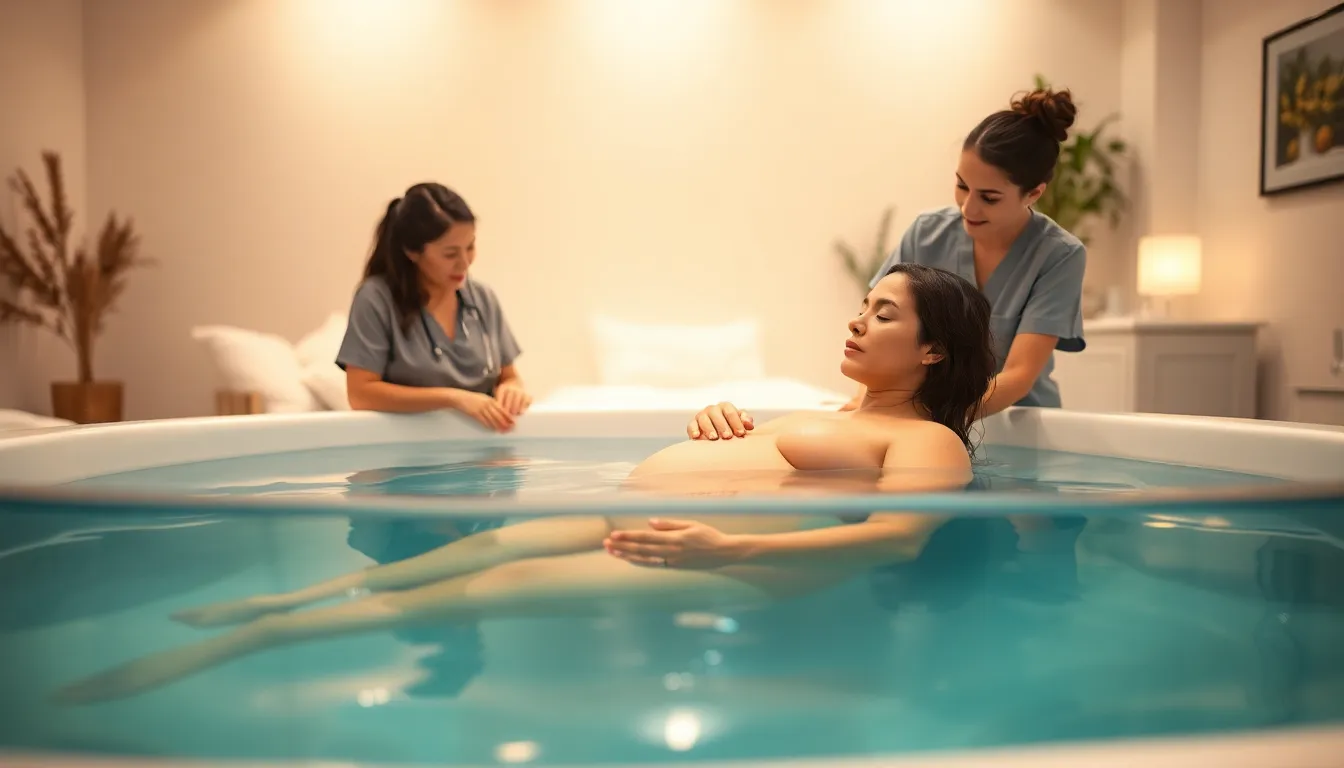
Water birth is becoming increasingly popular among expectant mothers searching for a more serene alternative to traditional birthing methods. Essentially, it involves laboring and delivering a baby in a birthing pool filled with warm water. This setup not only reflects graditudes of tranquility but also provides numerous benefits that can help ease the birthing experience.
Benefits of Water Birth
One of the main draws of water birth is its ability to create a soothing environment. The buoyancy helps relieve physical pressure, offering comfort to the mother. Studies have shown that immersion in water during labor can lead to shorter labor durations. This is important because who wouldn’t want to speed things up when that baby is ready to say hello?
Pain Management and Comfort
Many women report lower pain levels when using water during labor. The rhythmic sound of water, combined with the gentle warmth, can be an effective form of pain relief. It’s like having a built-in spa day while you’re bringing a human into the world, seriously, what more could you want? Gentle movements and a relaxing ambiance help encourage natural pain management, reducing the need for medications.
Reduction of Interventions
Water birth often leads to fewer interventions. Women who labor in water may require less medical assistance, such as epidurals or cesarean sections. This lower rate of medical intervention can lead to a more personal and intimate birthing experience. It’s an empowering choice that hands over greater control to the mother.
Potential Risks and Considerations
While water birth can be a delightful experience, it’s not without its risks. Hence, it’s important to weigh these aspects carefully.
Who is a Good Candidate for Water Birth?
Women with low-risk pregnancies tend to be the best candidates for water birth. If there are complications like high blood pressure or specific fetal concerns, it might be advisable to consider other birthing methods. Consulting with a healthcare provider is crucial. They can provide guidance tailored to individual circumstances and health conditions.
Setting Up for a Water Birth
Preparation is key when it comes to a smooth water birth experience. So let’s jump into essential setup considerations.
Choosing the Right Environment
Environment plays a vital role. The space should be warm, calming, and private. A birthing pool, large enough for the mother to move freely, should be filled with warm water, ideally around 95 to 100°F. Think of turning a room into your own personal oasis, away from all the chaos of life.
Necessary Equipment and Support
Beyond the pool, it’s essential to have the right equipment. This includes a water thermometer, a hose for refilling, and a sturdy cover for the pool. You’ll also want experienced support, like a midwife or doula, who can navigate any hurdles. They can help keep the atmosphere positive and reassuring, which is key to a successful experience.
What to Expect During Water Birth
So, you’re in the water, feeling serene and prepared. What happens next?
The Labor Process
During the labor phase, the mother may shift positions or use breathing techniques to manage the contractions. Immersion in water can ease tension, allowing for smoother progress. If birthing in a pool, most women can let gravity do its work, as water provides buoyancy, which can make pushing easier. Expect a mixture of calm and a rush of excitement, it’s a life-changing moment.
Post-Birth Experience
Once the baby is born, there’s often a moment of tranquility as the newborn floats in the water, where adjustments take place uplifted in this watery cocoon. This environment can help skin-to-skin contact, which is crucial for bonding. Choosing to give birth in water is not just about the delivery: it encompasses creating a special moment for the entire family, reinforcing every connection between mother and child.


