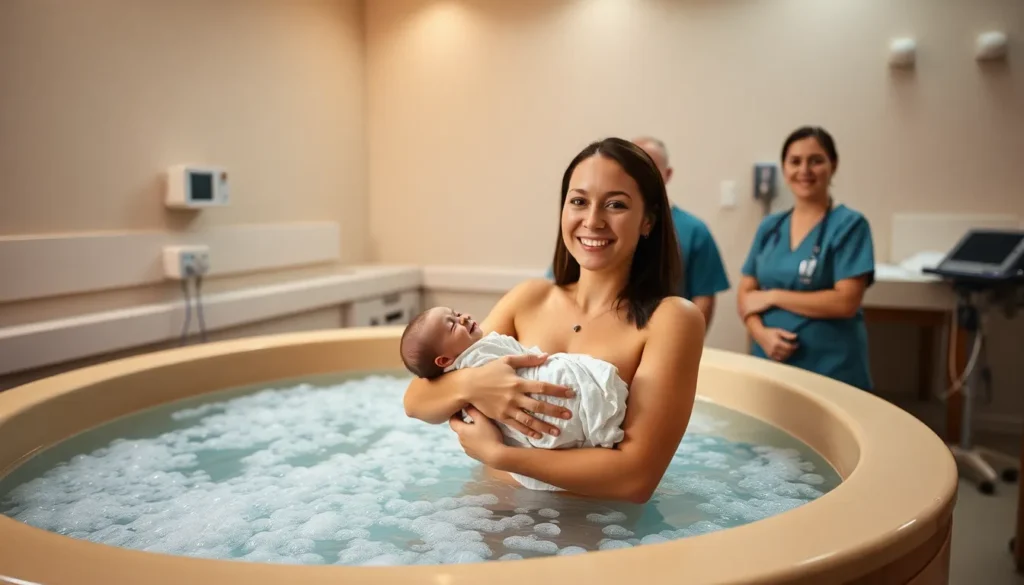

Imagine a serene environment, soothing water, and a gentle transition into motherhood. That’s hospital water birth for you. It’s not your typical delivery method: it’s more like a private concert, where you’re the star, and the soothing sounds of water are your background music. If you’re intrigued, you should be. This guide will take you through the ins and outs of hospital water birth, covering everything from benefits to what to expect on the big day. Grab your floaties, and let’s immerse.
What Is Hospital Water Birth?

Hospital water birth is an alternative birthing method where labor and delivery occur in water, typically in a specially designed birthing pool or tub. The key concept behind this approach is that being submerged in warm water can provide relief and comfort during labor. It’s not about doing a cannonball into a swimming pool: it’s about submerging yourself in a tranquil, warm environment that promotes relaxation and reduces the stress that often accompanies childbirth.
While many might associate water births with home settings, more hospitals are embracing this method, allowing mothers to experience its benefits while having immediate medical assistance on hand. Just imagine having midwives and doctors ready to help while you float in the soothing water, as opposed to being confined to a traditional hospital bed with the beeping of machines. It’s a winning combination of comfort and medical safety.
Benefits of Water Birth
The benefits of water birth extend beyond just a pleasant experience. Here’s what research and anecdotal evidence suggest:
- Pain Relief: Warm water during labor can alleviate pain, often reducing the need for epidurals or other medications. The buoyancy eases the weight of your belly, making movements easier and more fluid.
- Relaxation: Many women find that water helps them to relax both physically and mentally. The sound of water, combined with warm ambient lighting, can foster a peaceful atmosphere.
- Gravitational Advantage: Water allows for more freedom of movement, enabling mothers to assume positions that are more comfortable, which can help with labor progression.
- Shorter Labor: Some studies have indicated that water immersion may lead to shorter labor, giving mothers less time to feel anxious and more time to enjoy the experience.
- Gentle Transition for Baby: Babies born in water may experience a gentler entry into the world, as they are less likely to be shocked by the air outside the womb.
Each of these benefits leads to a more favorable overall birthing experience, making water birth a compelling option for many mothers.
Preparing for a Water Birth in a Hospital Setting
Preparation is key to ensuring that your water birth is as seamless as possible. Here’s how to get ready:
- Communicate with Healthcare Providers: Discuss your desire for a water birth during prenatal appointments. It’s essential that your healthcare team is on board and prepared for your preference.
- Choose a Hospital with Water Birth Facilities: Not all hospitals offer water birth options, so investigate local facilities. Some hospitals have specific birthing suites equipped with tubs or pools.
- Education Classes: Attend childbirth education classes that focus on water birth. Knowledge is power, and understanding what to expect will help you feel more confident.
- Pack for Comfort: Beyond the usual hospital bag, consider packing items that will help you relax during labor, such as your favorite pillow or even scented oils.
- Discuss Pain Management Options: Make sure you have a plan for pain management. Though water is an excellent option, also discuss additional methods if needed.
By being proactive in your preparations, you set the stage for a rewarding hospital water birth.
The Water Birth Process: What to Expect
The process of water birth may vary from one hospital to another, but the core elements remain the same:
- Labor Begins: As labor commences, you can enter the water, usually after discussing with your healthcare team, to ensure that it’s safe for you and your baby.
- Monitoring: While in the water, it’s essential to maintain health monitoring. Hospitals often provide equipment that allows them to track vital signs without interrupting your experience too much.
- Pushing: When it’s time to push, many mothers find that the water provides a significant amount of relief, helping them to focus on their breathing and the process itself.
- Delivery in Water: Depending on your plan and the hospital’s policies, you may have the option to deliver your baby in the water. If there are any complications, your healthcare team will assist you as needed.
- Post-Delivery: After the birth, the baby can be brought to the surface gently. This moment often feels magical: mothers experience a rush of emotions as they meet their little one.
Expect a supportive environment where healthcare professionals help your wishes while ensuring safety throughout the birth.
Potential Risks and Considerations
While the water birth experience is often positive, there are risks that expectant mothers should consider:
- Infection Risk: If the water isn’t maintained properly or if the tub isn’t cleaned adequately, there’s a potential for infection, both for mother and baby.
- Complications: In certain situations, a water birth might not be advisable. Complications such as fetal distress or premature rupture of membranes may necessitate a move to a traditional delivery method.
- Parental Preference: It’s vital to have a candid discussion about the risks with healthcare providers. Decisions should be made that prioritize the safety and comfort of both mother and baby.
- Hospital Policies: Each hospital has different policies about water births. Some might not allow deliveries in water. Always check ahead to avoid surprises.
Being informed can help you manage risks while still enjoying the benefits of water birth.
Choosing the Right Hospital for Water Birth
Selecting a hospital that supports water birth is essential. Here’s what to consider:
- Research Available Facilities: Not every hospital will have the same facilities nor the mindset toward water births. Look for hospitals that not only offer tubs but also have a midwife or obstetrician experienced in water deliveries.
- Visit the Birthing Suite: If possible, tour the hospital’s birthing suite. This can help you visualize the space and feel its atmosphere.
- Check Reviews and Testimonials: Speak with other mothers who have experienced water births in your chosen hospital, if possible. Their insights can provide valuable information.
- Discuss Policies: Understand the hospital’s policies about water birth, including what happens in case of complications. Knowing this helps you feel secure in your choice.
- Support Staff: Assess the level of support from medical and nursing staff. Friendly, experienced caregivers make a world of difference during labor.
Finding the right fit can make your water birth journey much smoother and more enjoyable.
Postpartum Care After Water Birth
After the baby is born, postpartum care is crucial for both mother and child. Here are some typical aspects of care after a water birth:
- Immediate Checks: The healthcare team will conduct immediate assessments of the baby, watching for any distress. They’ll also check on the mother’s recovery, looking for any signs of complications.
- Bonding Time: Many mothers cherish the skin-to-skin contact following a water birth as it enhances bonding and can help regulate the newborn’s temperature.
- Hydration and Nutrition: After a physically intense experience like labor, staying hydrated and nourished is vital. Hospitals often provide supportive snacks and beverages.
- Follow-Up Care: Ensure you have follow-up appointments discussed with your healthcare provider. Monitoring your recovery is important for your health.
- Mental Health Considerations: Water births can be incredibly empowering, but it’s also important for new mothers to be aware of mental health issues that might arise. Seek support if needed.
This period can be magical yet overwhelming: taking time for recovery ensures a smoother transition into motherhood.