


Imagine this: a serene, warm pool of water, the sound of gentle splashing, and the miracle of life emerging in a tranquil setting. Welcome to the world of water births, where both the birthplace and the experience are refreshing. But do hospitals actually offer this gentle alternative to traditional birth methods? Grab a floatie, because we’re diving deep into the ins and outs of water births in hospitals.
Understanding Water Birth
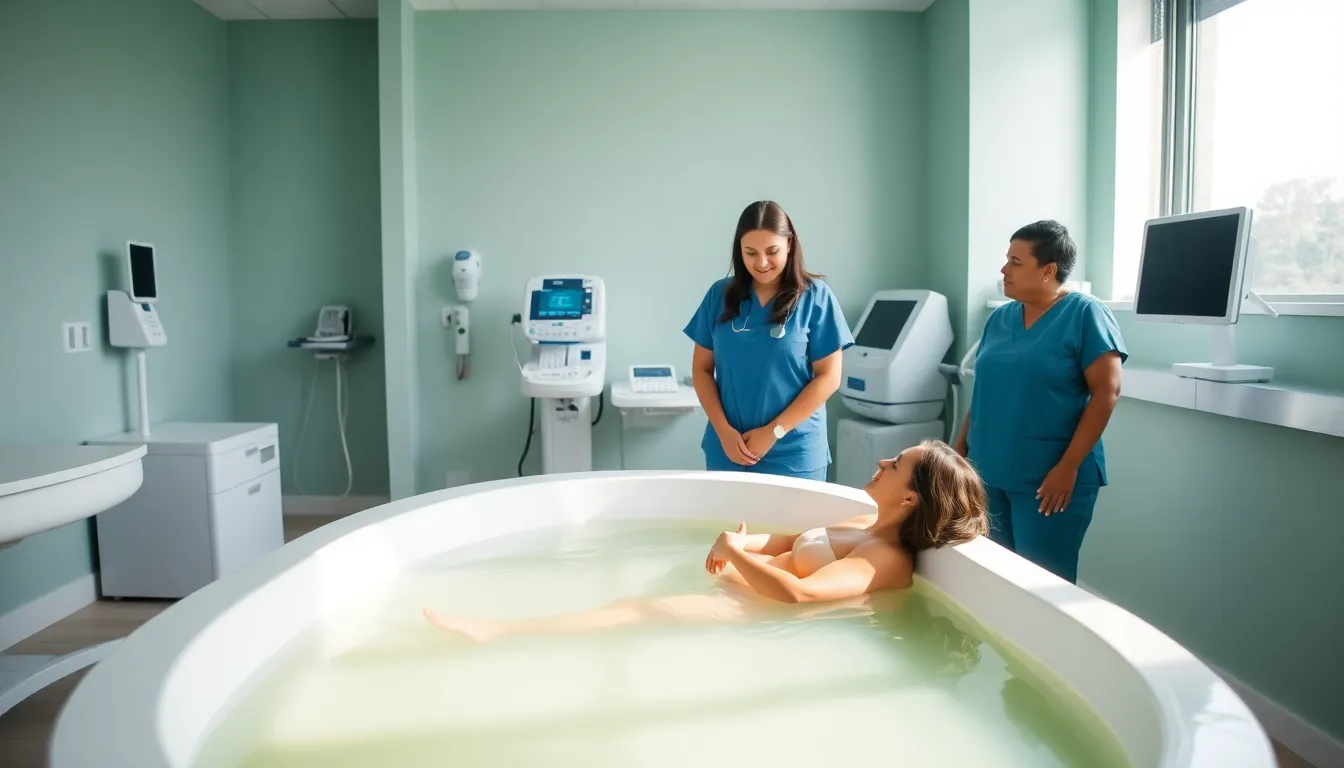
Water birth refers to giving birth in a pool or tub of warm water. Expecting parents often explore this option for various reasons, and it’s gaining popularity as research begins to suggest benefits for both mother and baby. The soothing properties of water aid in relaxation, which can lead to a more comfortable birthing experience. During water birth, the laboring mother can immerse herself in water to help ease contractions, making it an appealing choice for many. In many cases, the infant is directly born into the water, emerging into a gentler environment that mimics the womb. This process can create a calming atmosphere, which is essential for both parents and their newborn.
It’s worth noting that while it might sound unconventional, water birth has origins in diverse cultures around the globe. Health professionals worldwide monitor these situations, ensuring safety and comfort throughout the labor and delivery process.
Benefits of Water Birth
Choosing a water birth comes with an array of benefits that can enhance the overall experience for both mom and baby:
- Pain Relief: Studies suggest that laboring in water can significantly reduce pain perception during contractions, allowing mothers to experience more comfort.
- Relaxation: Water promotes relaxation, which can lead to decreased stress levels. Lower stress means smoother labor progress.
- Movement Freedom: Women can change positions with ease in water, facilitating a more fluid and responsive birth experience.
- Gentler Transition for Baby: The transition from water to air can be easier for babies, making them less stressed than in traditional births.
- Reduced Need for Interventions: Many women report fewer interventions like epidurals or cesarean sections when laboring in water.
While every woman’s experience is unique, these benefits create a compelling case for considering water birth.
Hospitals That Offer Water Birth Services
Many hospitals across the country have recognized the growing interest in alternative birthing methods and have begun to offer water birth services. Though policies can vary by location, here are a few notable hospitals that have earned a reputation for their water birth offerings:
- Beverly Hills Fertility & Health: Known for its holistic approach, they provide a serene environment for water births, emphasizing comfort and support.
- Pioneering Women’s Hospital: Located in Seattle, they’ve set the standard for water births with state-of-the-art facilities designed explicitly for water labor and delivery.
- Mountain View Hospital: In Idaho, this hospital has an entire wing with multiple birthing options, including dedicated water birth suites, making it a convenient option for local families.
- Mercy Medical Center: A pioneer in water birth practices in Maryland, they focus on personalized care and support for expecting families.
- Riverbend Hospital: In Oregon, this facility offers beautiful birthing pools that create an inviting space for new parents.
These examples highlight a growing trend within the healthcare setting to cater to the needs of expectant mothers who prefer a more natural approach to labor.
What to Expect During a Water Birth
When the big day arrives and labor begins, here’s what to expect during a water birth:
First, a woman will usually start labor on land, utilizing various coping strategies, such as breathing techniques or movement. Once the contractions become more intense, she can immerse herself in the warm water, ideally around 95 to 100 degrees Fahrenheit. Being in the water may help ease tension and aid in relaxation.
During the water birth itself, trained medical staff closely monitors both mom and baby. They have experience guiding the mother through the process, often providing reassurance and hands-on support. Once the baby is ready to be born, mothers often shift positions to help delivery, and in most cases, the baby emerges gently into the water.
Although the experience is typically calmer than traditional births, parents should be prepared for various emotions. After birth, the baby is typically lifted out of the water and placed on the mother’s chest, starting that beautiful bonding experience right away.
Safety Considerations for Water Births
As serene and beneficial as water births can be, safety is paramount. Hospitals typically follow strict guidelines to ensure a secure environment for both mother and child. Here are some critical safety considerations:
- Qualified Healthcare Providers: Always ensure that a certified midwife or obstetrician with water birth experience attends the delivery.
- Monitoring Conditions: Regular check-ups of temperature and depth of the water, and monitoring the mother’s and baby’s heart rates throughout labor.
- Suitable Candidates: Not all pregnancies are appropriate for water births. High-risk pregnancies, or any complications during labor, may necessitate a traditional setting.
- Emergency Preparedness: Hospitals should have contingency plans in place to handle emergencies, ensuring swift transitions to land if necessary.
- Hygiene Standards: Facilities typically adhere to strict cleanliness protocols to prevent infections and ensure a healthy environment.
Being educated on these aspects can give parents peace of mind while embracing this unique birthing option.
Preparing for a Water Birth
Preparation can make a world of difference when planning for a water birth. Here are some steps expectant parents can take:
- Research and Planning: Familiarize yourself with different hospitals, their policies, and available water birthing facilities. Do not hesitate to ask questions. Knowledge is power.
- Create a Birth Plan: Discuss plans with your healthcare provider, making sure everyone is on the same page about your preferences about pain management and water immersion.
- Practice Relaxation Techniques: Engaging in prenatal yoga or deep-breathing exercises can help alleviate fears and encourage relaxation during labor.
- Pack Wisely: Include comfort items in the hospital bag, like essential oils, soothing music, and a favorite baby blanket.
- Support System: Involve a supportive partner, doula, or family member to accompany you through the labor process, providing comfort and encouragement.
Being well-prepared can significantly enhance the experience and help alleviate anxiety.


