


Imagine floating in a warm, soothing embrace as life begins to take its first breath. For many mothers, a crowning water birth promises just that: a tranquil transition into motherhood. This approach not only offers comfort but also celebrates the miracle of life in a serene environment. So, grab a cup of herbal tea, make yourself comfortable, and let’s jump into the world of crowning water birth, where every splash tells a story.
What Is Crowning Water Birth?
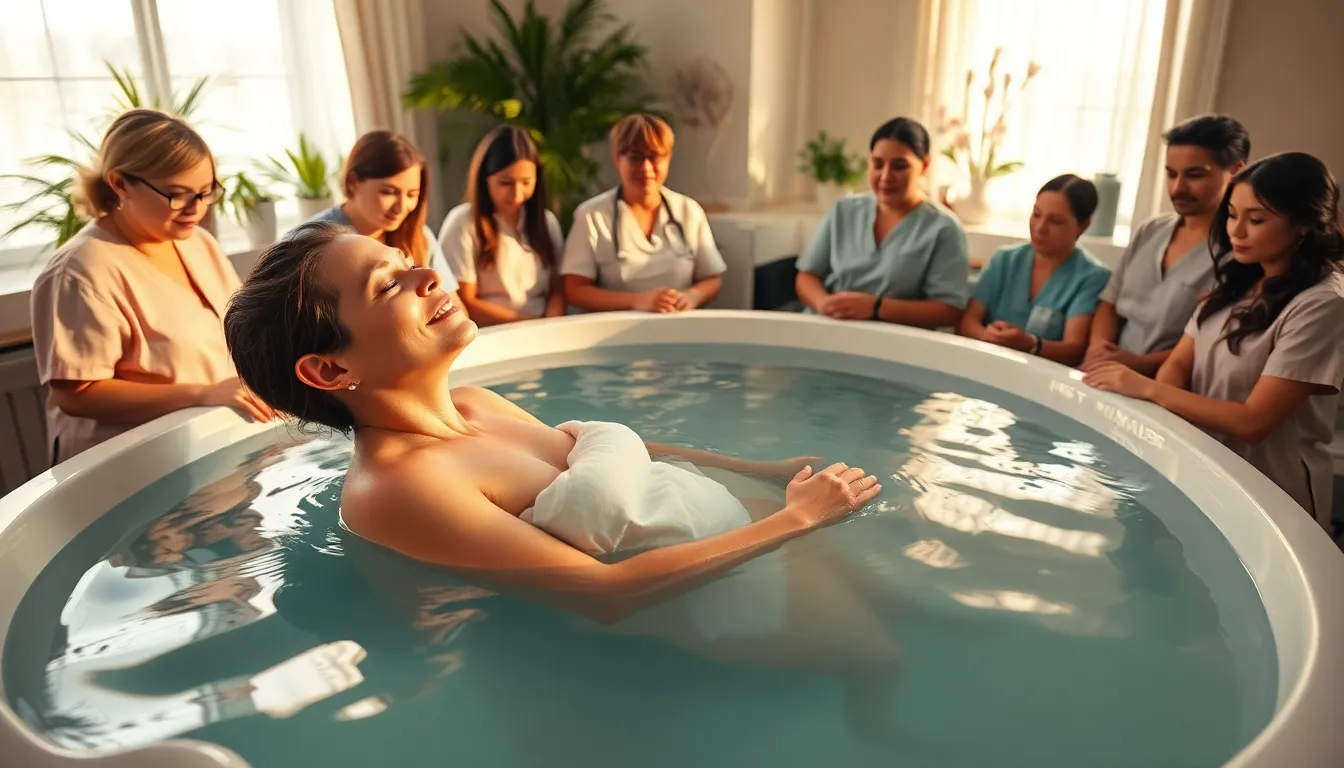
Crowning water birth refers to the moment when a baby’s head emerges during birth while submerged in water. This method provides an alternative to traditional birthing practices, placing emphasis on a gentle and fluid experience for both mother and child. The water itself acts as a comforting buffer, alleviating stress and pain during labor. Here, the birthing person can find solace, moving freely in a contained yet liberating environment.
Unlike typical hospital settings, which can feel cold and sterile, water births often occur in specially designed tubs, allowing for a more intimate and personal experience. It’s a celebration of natural birth, with the underlying belief that the softer elements of water can help in easing the process of bringing new life into the world.
Benefits of Water Birth
Choosing a crowning water birth offers numerous advantages that can benefit both the mother and the baby. By opting for this method, many report a marked decrease in pain levels and anxiety. The buoyancy of water supports the body, allowing for ease of movement and a sense of weightlessness, which many find incredibly relaxing.
Reduced Pain and Discomfort
Research shows that babies born in water may experience less trauma during delivery. The gentleness of water can ease discomfort for the mother, potentially reducing the need for pain medications.
Enhanced Relaxation
Mothers often find that being immersed in warm water helps promote relaxation. Bathing during labor can smooth out contractions, allowing women to better manage each surge. The soothing elements of water provide an environment conducive to emotional and physical relaxation, encouraging the body to release endorphins naturally.
Better for Babies
Water birth can also enlist benefits for the newborn. Surrounded by fluid, babies are gradually introduced to the outside world without the abrupt change that typically accompanies traditional deliveries. This can result in fewer disturbances in the newborn’s transition and often leads to a smoother entry into the world.
Preparations for a Crowning Water Birth
Preparing for a crowning water birth involves more than just deciding to give birth in water. Essential preparations include selecting a suitable location, gathering necessary supplies, and ensuring proper medical support.
Choosing the Right Setting
Whether it’s at home, a birthing center, or a hospital, the setting should feel safe and comfortable. Many opt for midwives who specialize in water births to ensure both safety and support.
Supplies Needed
Gathering the right supplies is crucial. This list often includes:
- A birthing tub or pool
- Towels and blankets
- Heating pads for comfort
- Snacks for energy
- Sterile birth kit with necessary medical supplies
Consulting Healthcare Providers
Before the birth, engaging in detailed discussions with healthcare providers about any potential complications is important. They can offer advice on how to maintain safety measures during the water birth while addressing any concerns a mother may have.
The Crowning Process in Water Birth
The crowning process during a water birth revolves around timing and technique. Once active labor begins, the journey unfolds, culminating in the baby’s head emerging through the vaginal canal while still submerged.
Understanding the Stages
As contractions become more intense and frequent, the mother will receive guidance on how to push effectively. With each contraction, the baby moves closer to the surface, often bringing a sense of exhilaration mixed with anticipation. When the head starts to crown, the caregiver will typically advise gentle breathing and pushing, helping the baby transition smoothly without undue stress.
The Joy of Arrival
Once the head emerges, the body follows soon after. In a water birth, the baby is typically cradled gently in their mother’s arms. This allows for immediate bonding in a calm environment, where both mother and child can take a moment to marvel at each other’s presence.
Post-Birth Considerations and Care
After the triumphant arrival, there are several considerations and forms of care for both mother and baby. The embrace of water gives way to absorbing the emotional experience and physical recovery.
Immediate Care for the Baby
Typically, the baby is assessed right after birth, ensuring they are breathing well and adjusting to their new environment. The warm water can help maintain the baby’s body temperature, providing an immediate sense of comfort.
Maternal Well-being
Post-birth, moms should be given time to recover and bond with their newborn without feeling rushed. Care should also involve monitoring any physical strain experienced during labor, especially if a significant amount of movement occurred in the water.
Common Concerns and Misconceptions
While the benefits of crowning water birth are clear, many misconceptions can deter expectant parents from considering this option. Let’s explore some prevalent concerns and set the record straight.
Safety Doubts
Perhaps the most common concern revolves around safety. Critics often argue that water birth raises the risk of complications. But, numerous studies indicate that, when conducted under proper supervision and with experienced caregivers, water birth can be as safe as traditional methods.
Hygiene Issues
Participants might also wonder about hygiene in a water birth. It’s essential to understand that birthing tubs are designed to be sterile and are thoroughly cleaned before use. Also, the mother’s body is equipped to handle the birthing process in fluid.


