
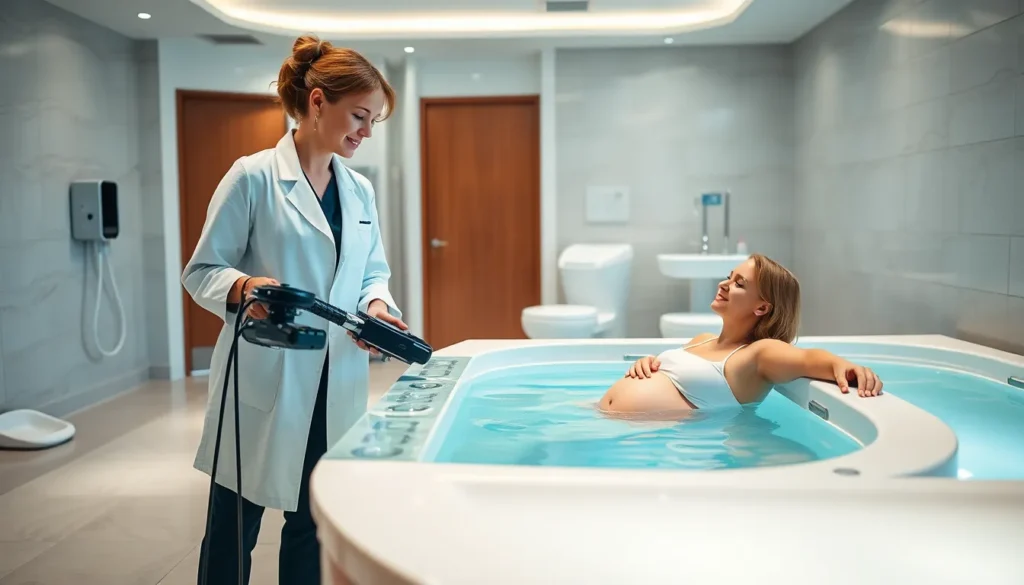

Water births have been a hot topic in recent years, bringing a splash of excitement and curiosity to the world of childbirth. Some expectant parents are all in, believing that giving birth in a warm, soothing pool can lead to a less painful experience. Others are skeptical, wondering if this is just a trendy hype. So, are water births truly less painful? Grab a rubber duck and a towel, because we’re diving deep into the science, benefits, and personal stories surrounding water births.
Understanding Water Births
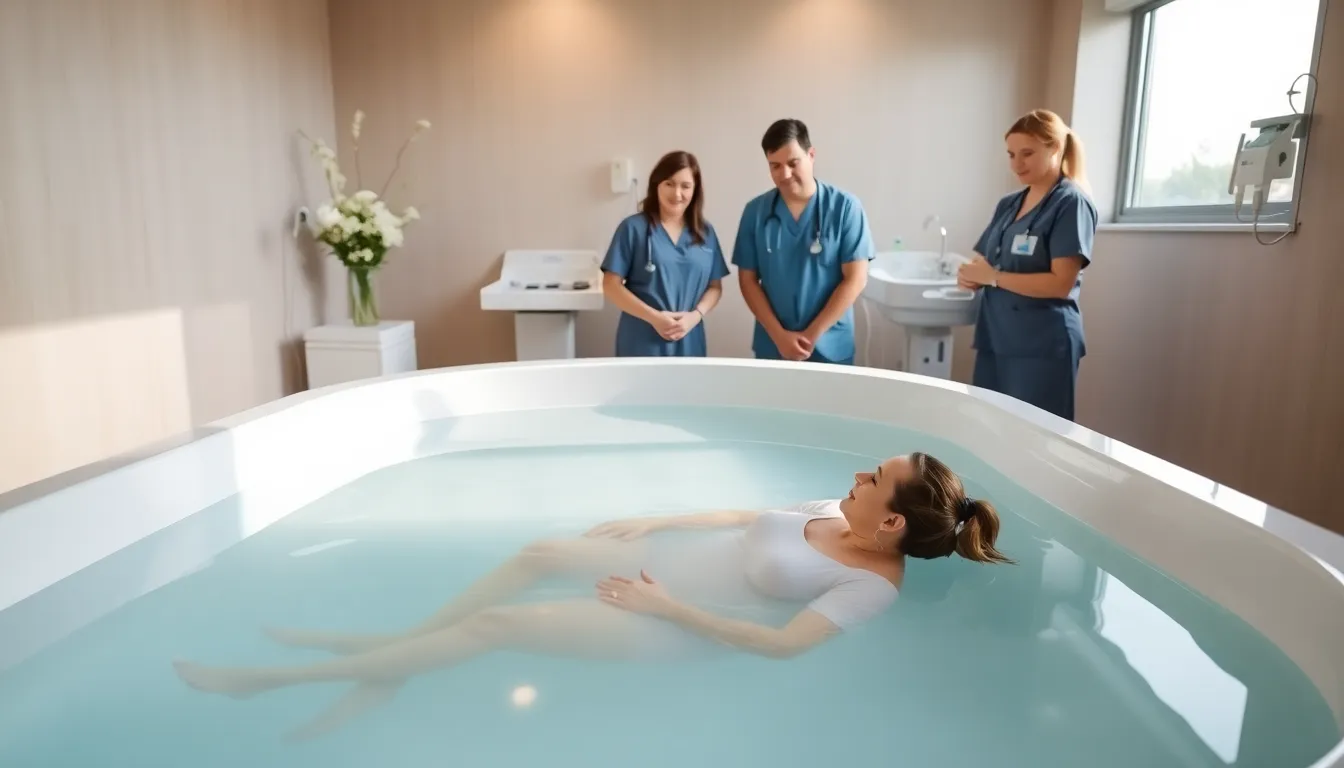
Water births refer to the practice of delivering a baby in a birthing pool that’s filled with warm water. This technique can be used during the entire labor process or just during the delivery stage. Many expecting mothers choose this option for various reasons, usually focusing on the comfort and tranquility it promises. It’s worth noting that healthcare providers are usually present to assist and ensure safety throughout the process.
The appeal of water births is tangible: the thought of being enveloped in warm water can evoke images of relaxation and ease, certainly a far cry from the often painful, clinical environment of traditional delivery rooms. Advocates argue it provides a gentle transition from the womb to the world, making it a worth-considering option for those looking for an alternative to standard birthing practices.
The Science Behind Pain Perception
Pain perception during labor is a complex interplay of physical sensations and emotional responses. Research suggests that the warm water may help alleviate some pain by relaxing muscles and easing tension. Also, being submerged can provide buoyancy, which might reduce the feeling of weight and pressure.
Another interesting aspect revolves around how the brain processes pain. When immersed in water, the body can release endorphins, those wonderful natural painkillers. This could mean a calmer and less stressful environment, allowing mothers to focus more on the task at hand rather than the sensations they’re experiencing.
Benefits of Water Births
Water births come with a variety of benefits that extend beyond just pain relief. Here are some key advantages:
- Enhanced Comfort: The buoyancy of water can lessen the weight felt by the expectant mother, making movements easier and reducing discomfort during contractions.
- Relaxation: Warm water can soothe anxiety. Many women report feeling more at ease, allowing for better focus and control during labor.
- Fewer Interventions: Studies suggest that women who choose water births may require fewer medical interventions, like epidurals or cesareans, than those who labor on land.
- Shorter Labor: Some evidence indicates that water-born babies might enter the world a bit quicker than their land-locked counterparts.
Potential Drawbacks of Water Births
Even though the myriad benefits, water births aren’t without their concerns. Here’s a balanced look at potential drawbacks:
- Infection Risk: Maintaining appropriate hygiene is crucial. If not properly managed, there may be an increased risk of infection for both mother and baby.
- Not Always Recommended: Certain medical conditions or complications can preclude the option of a water birth. Always discuss individual health situations with a healthcare provider.
- Variable Support: The availability of trained caregivers might vary depending on the facility, potentially impacting the overall experience.
Comparative Studies on Pain Levels
Research into the effectiveness of water births for pain management presents some fascinating insights. Several studies have aimed to compare pain levels between traditional and water births, often concluding that many women experience less pain in water.
For instance, a study published in the journal Birth found that those who labored in water reported lower levels of pain compared to those who did not. While these studies affirm the positive experiences reported by many, it’s essential to note that pain perception varies widely from one individual to another. Hence, what works for one might not necessarily work for another.
Personal Experiences and Anecdotes
Personal stories provide invaluable insight into the water birth experience. Many mothers express feelings of empowerment and fulfillment when recounting their water births. For example, Sarah, a first-time mother, had a transformative experience: she recalls how the warm water eased her contractions and allowed her to feel more in control.
Others might have mixed feelings. John, a partner in attendance, noted that while it was a serene process, there were moments of uncertainty about safety and health outcomes. These personal accounts highlight the diverse experiences and underscore the importance of informed choice.
Making an Informed Decision
Making the choice to have a water birth should not be taken lightly. Expecting parents should embark on this journey equipped with both knowledge and understanding. Consulting with healthcare professionals is vital, they can provide details tailored to individual circumstances. Also, understanding local regulations and facility capabilities is crucial in ensuring safety.
Eventually, reading literature, attending classes, and speaking to others who have experienced water births can bolster confidence and clarity in decision-making.


