
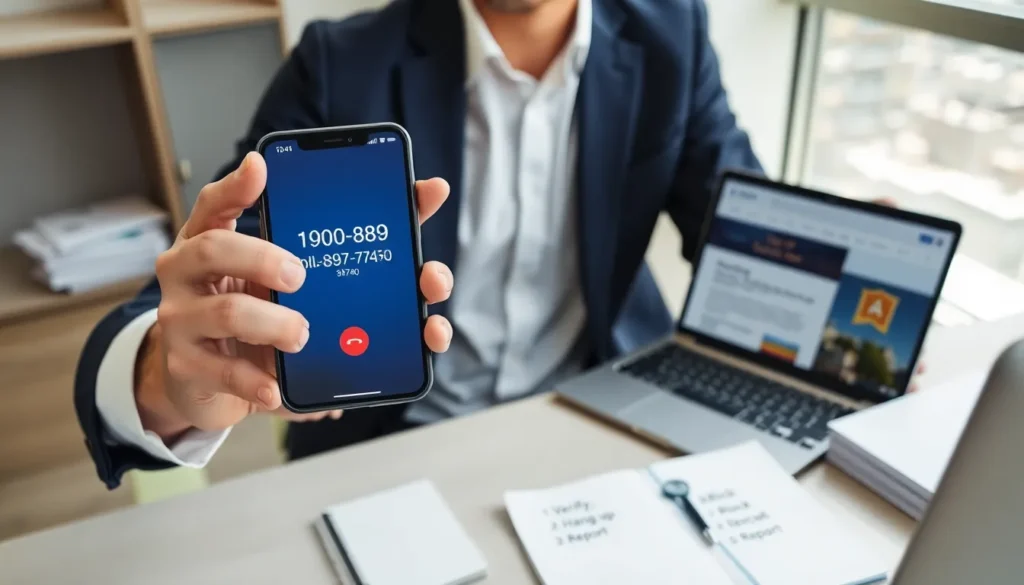

18008898740 appears on many phone screens. The number often prompts questions about identity and safety. This article explains who might call from 18008898740 and how a person should handle the call. It gives clear steps to verify the caller and protect personal data.
Table of Contents
ToggleKey Takeaways
- If you receive a call from 18008898740 and weren’t expecting it, do not share personal or financial information and end the call immediately.
- Verify the caller by doing a reverse phone lookup for 18008898740 and calling the company back using a phone number from its official website or account statement.
- Watch for red flags—pressure to pay, requests for passwords or gift cards, or demands for remote access almost always indicate a scam.
- If you already gave information, contact your bank, freeze affected accounts, change passwords, and place a fraud alert with credit bureaus.
- Block 18008898740 on your device, enable carrier spam filtering, report the number to the FTC/ FCC, and use call‑filtering apps plus strong account security to prevent future fraud.
Quick Overview And Immediate Red Flags
Unknown toll-free numbers like 18008898740 often reach many people. Scammers reuse toll-free numbers to appear legitimate. A caller who pressures a person to act now likely intends fraud. A caller who asks for passwords, social security numbers, or bank PINs should raise alarm. A recorded message that demands payment by gift card or wire transfer should always be treated as a scam. If a call displays 18008898740 and the person did not expect contact, they should not give personal data. They should end the call and verify before responding further.
How To Identify The Caller
People can use several methods to identify a caller from 18008898740. Each method gives different clues. They should combine methods for better results.
Reverse Lookup Methods
A person can enter 18008898740 into a reverse phone lookup site. These sites show reported caller names and complaints. Some sites collect user reports and label numbers as spam. A person should check at least two reputable lookup services. They should note any consistent labels like “scam” or “telemarketer.”
Checking Caller ID Details And Spoofing Signs
A person should inspect the caller ID for mismatched names and numbers. If the caller claims to represent a bank but the number shows 18008898740 and the bank uses local numbers, the caller may spoof the ID. A caller who hesitates when asked specific identity questions may be fake. A real representative will provide valid account details and a callback number on request.
Area Code And Number Pattern Clues
Toll-free numbers like 18008898740 use the 800 prefix. The prefix alone does not prove legitimacy. Scammers use toll-free numbers because they look official. A person should check call timing, frequency, and call content. Repeated calls from 18008898740 that ask for money or personal data indicate a scam.
Common Scams And Legitimate Uses Associated With Unknown Toll‑Free Numbers
Toll-free numbers serve both scammers and legitimate organizations. People should learn the common scams and real reasons a business might call.
Typical Toll‑Free Scam Tactics To Watch For
Scammers using 18008898740 may claim a prize and ask for a fee to claim it. They may pose as government agents and threaten legal action. They may request remote access to a computer and then steal data. They may ask for payment by gift card, cryptocurrency, or wire transfer. They may use high-pressure tactics and short deadlines.
Legitimate Reasons A Business Or Service Might Use A Toll‑Free Number
A company may use 18008898740 for national customer support. A nonprofit may use a toll-free line to take donations. A utility or bank may use toll-free numbers for automated alerts. A caller who provides verifiable account details likely represents a real company. A person should still confirm identity before sharing sensitive data.
Steps To Verify Legitimacy Before Engaging
People should verify a caller before they share data. Verification reduces the risk of fraud.
What To Ask And How To Confirm Identity
A person should ask the caller for a full name, department, and callback number. They should ask for a company address and an account number related to the call. They should say they will call back and then hang up. They should call the official number from the company website or account statement, not the callback number the caller gave.
Online And Official Source Verification Techniques
A person should search for 18008898740 and read multiple reports. They should check the Federal Trade Commission warnings and carrier spam lists. They should use the company’s official website or secure account portal to confirm any claims. They should avoid links or numbers sent during the call.
If You Already Picked Up: Immediate Actions To Protect Yourself
A person who already answered a call from 18008898740 must act fast. Quick steps can reduce harm.
How To Respond During A Suspicious Call
A person should stop giving information immediately. They should state that they will end the call and then hang up. They should not follow any payment requests. They should not install software or grant remote access.
What To Do If You Shared Personal Or Financial Information
A person who shared bank details should call their bank and freeze the account. They should contact the credit bureaus and place a fraud alert. They should change passwords for any affected accounts. They should report the call to their carrier and note the date and time of the call from 18008898740.
Blocking, Reporting, And Preventing Future Calls
People can stop calls and help authorities by taking a few actions.
How To Block The Number On Devices And Carriers
A person can block 18008898740 on a smartphone through the recent calls list. They can add the number to a block list in phone settings. They can enable carrier-level spam blocking through their provider. They can use built-in settings to silence unknown callers.
Reporting To Regulators, Consumer Sites, And Your Carrier
A person should report 18008898740 to the Federal Trade Commission. They should file a complaint with the Federal Communications Commission if the call involves spoofing. They should report the number on consumer sites that list scams. They should notify their carrier to help block future calls.
Long‑Term Privacy And Safety Best Practices
People can reduce future risk with simple habits and tools.
Adjusting Phone Settings, Using Call‑Filtering Apps, And Protecting Personal Data
A person should enable two-factor authentication for online accounts. They should use a password manager to create strong passwords. They should install a reputable call-filtering app and update the phone software. They should limit sharing of phone numbers online and opt out of data broker listings. They should monitor bank and credit statements for unusual activity and act quickly if they spot fraud.


