
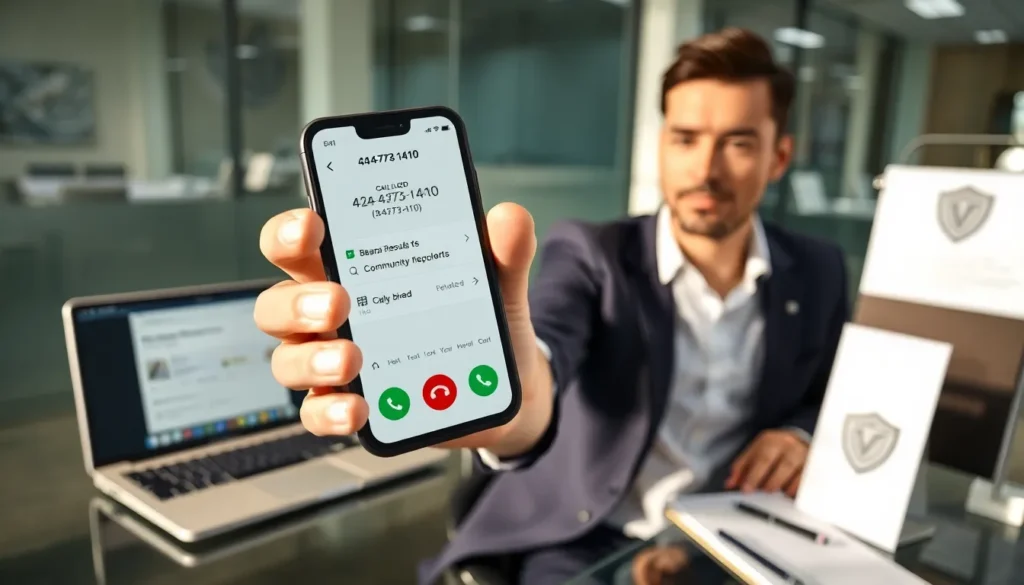

4244731410 appears on phones and in messages. Readers often ask what the number means. This guide lists clear checks and actions. It shows how they can verify and respond safely.
Table of Contents
ToggleKey Takeaways
- Check the number format and area code first to pinpoint likely region before responding to 4244731410.
- Determine whether the call is landline, mobile, or VoIP by noting ring behavior and call quality to guide your next steps.
- Search the exact digits in quotes on forums and complaint sites to find recent reports or scam patterns associated with the number.
- Watch for red flags—urgent money requests, pressure to use gift cards or wire transfers, or demands for personal data—and refuse to share sensitive information.
- Block or silence persistent calls, report the number to your carrier and authorities, and use free or paid reverse-lookup tools for additional verification.
Identifying The Number: Basic Details To Check First
Check The Country And Area Code
Readers should check the number format first. They should note the first digits and the total length. The number 4244731410 uses a three-digit area code. They can tell the likely region from that code. They can use official telecom lists to confirm the area code.
Determine Whether It’s A Landline, Mobile, Or VoIP
They should check how the call behaves. If the call rings once and disconnects, it may be automated. If the caller can text and use gaps in voice quality, it may be VoIP. They can use online tools to classify the line type. A clear record helps decide how to respond.
Search For Recent Reports Or Mentions Online
They should search for the number on forums and complaint sites. They should add the exact digits in quotes when they search. They should read recent reports for matching patterns. If multiple people report scams, they should treat new contacts with caution.
Safety And Legitimacy: How To Spot Scams And Red Flags
Common Scam Indicators To Watch For
They should watch for urgent requests for money. They should note pressure to use gift cards or wire transfers. They should spot requests for personal data like Social Security numbers. They should note poor grammar in texts and messages. They should recognize repeated calls from the same number as a red flag.
Verifying Caller Identity Before Sharing Information
They should ask for a callback number and a company name. They should hang up and call a trusted number from an official source. They should refuse to give bank details over an unsolicited call. They should ask specific questions that a legitimate caller can answer. They should verify names against official records when possible.
Immediate Steps To Protect Yourself After A Suspicious Contact
How To Block Or Silence The Number On Your Devices
They should add the number to the block list if the call is unwanted. They should enable silent or do-not-disturb modes for unknown callers. They should use the phone’s native block feature for persistent numbers. They should delete suspicious texts and avoid tapping links.
How To Report The Number To Carriers And Authorities
They should report the number to their carrier through the official reporting channel. They should forward scam texts to the carrier code when available. They should file a complaint with the national consumer protection agency. They should share details with local police if they lost money. They should keep screenshots and call logs as evidence.
Finding More Information: Tools And Methods For Reverse Lookup
Free And Paid Reverse Lookup Services To Try
They can use free reverse lookup sites for quick checks. They can use paid services for detailed reports like carrier, line type, and owner history. They can compare multiple services to confirm findings. They can use the phone’s built-in lookup if the device supports it.
Using Social Media, Forums, And Community Reports Effectively
They should search social media for the exact number and post there if they need community input. They should read recent forum threads for matching call patterns. They should describe the call facts clearly when they post. They should avoid sharing personal details in public posts. They should follow up on any credible lead from the community.


